
When someone’s heart stops beating, time isn’t just ticking, it’s sprinting. Every second that passes without CPR means less oxygen getting to the brain, and that’s when permanent damage can begin. The truth? You don’t need to be a doctor to give someone a fighting chance. You just need to understand how CPR works and why chest compressions are so incredibly powerful.
What’s Really Happening During CPR
When the heart stops, blood flow comes to a halt. That means oxygen, the fuel our cells can’t live without, stops reaching the brain and other vital organs. Within four to six minutes, brain cells start dying. That’s the window you’re working with.
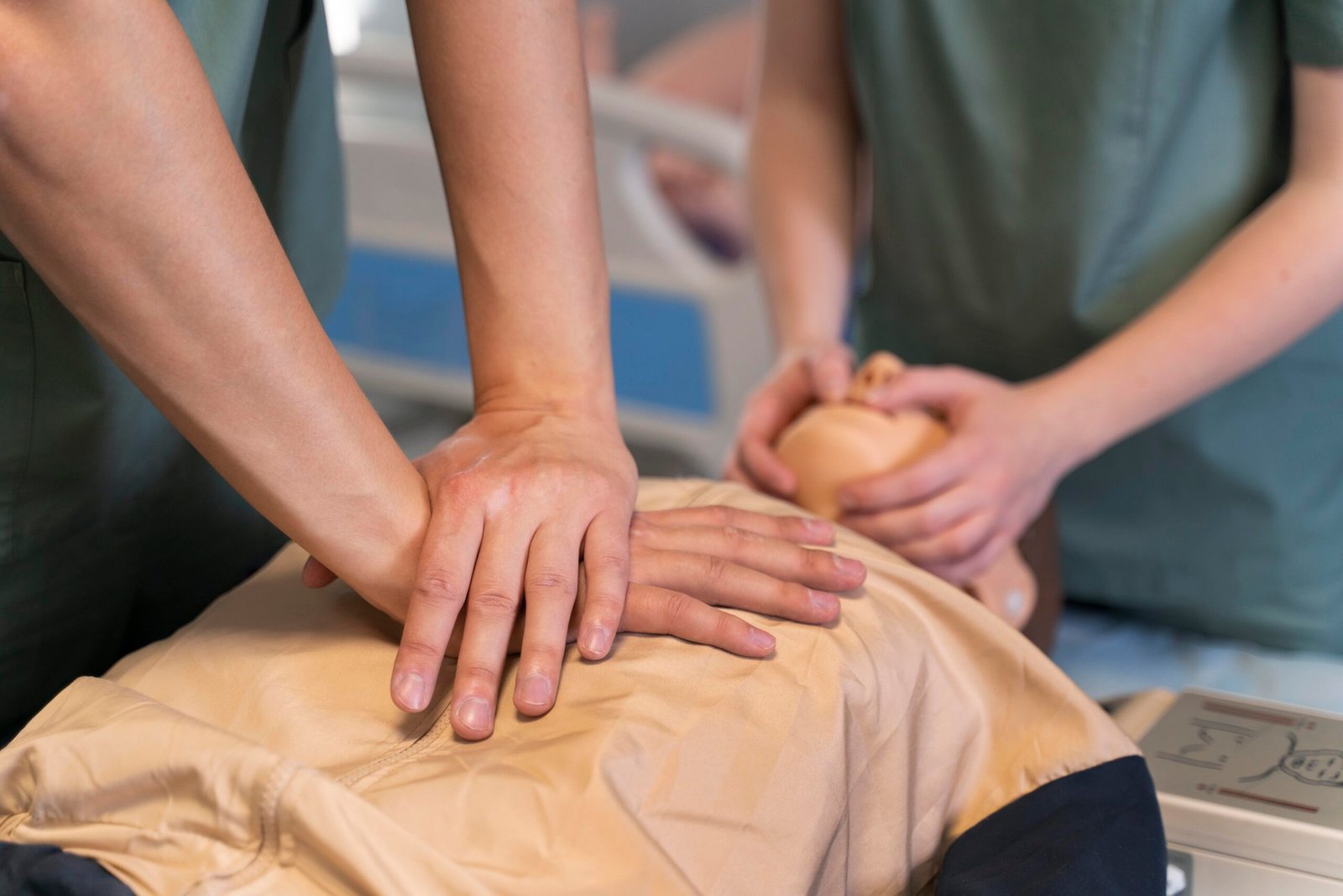
Chest compressions act like a manual pump. By pressing down on the chest at the right depth and rhythm, you’re squeezing the heart between the breastbone and spine. This pushes blood out to the rest of the body. When you release, the heart refills. It’s not as efficient as a heartbeat, but it’s enough to keep oxygen moving until advanced help arrives.
That’s the magic of CPR. It’s literally buying time for the brain.
Why the Brain Needs You to Act Fast
Your brain uses about 20% of the oxygen in your body at any given time. If the oxygen supply drops, neurons, your brain’s communication cells , start shutting down. And once they’re gone, they don’t grow back.
That’s why First aid and CPR training emphasizes immediate action. It’s not about “waiting for the ambulance”, it’s about keeping oxygen flowing until professional medical help can take over.
A 2023 study in Circulation found that bystander CPR can double or triple a cardiac arrest victim’s survival chances. But here’s the kicker, it only works if you start right away.
How Deep and How Fast?
If you’ve taken CPR training, you’ve probably heard the guidelines:
- Push hard, push fast.
- About 2 inches deep for adults.
- 100 to 120 compressions per minute.
And yes, that “Stayin’ Alive” by BeeJees beat actually works as a rhythm guide. But here’s a lesser-known tip: don’t lean on the chest between compressions. Let it fully recoil. That refill is what makes the next push effective.
What About AEDs?
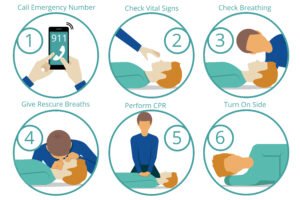
An AED (Automated External Defibrillator) is a game-changer. If you’ve ever searched for AED kits near me, you know they’re popping up in schools, gyms, offices, even airports. They deliver a shock to restart a heart that’s in a dangerous rhythm.
But here’s something most people don’t realize, even if an AED is right there, you still need chest compressions before and between shocks. The AED can reset the heart, but CPR keeps the brain alive long enough for that reset to matter.
Some organizations even offer Free CPR and AED service sessions to show communities how to use both together. If you can find one in your area, go.
Why Practice Matters
CPR sounds simple, but in a real emergency, adrenaline hits hard. Your hands shake. Your thoughts race. That’s why hands-on CPR services and refresher courses are worth every minute. Practicing helps you lock in the muscle memory so you can act without hesitation.
If you’ve never taken a class, or it’s been more than two years, consider booking First aid and CPR training. You might never need it. But if you do, you’ll be ready.
FAQS
1. What is CPR and why is Stress Free CPR training important?
Answer: CPR, or cardiopulmonary resuscitation, is the emergency technique of chest compressions (and sometimes rescue breaths) used when someone’s heart or breathing stops to maintain blood flow and oxygen to the brain. Stress Free CPR offers expert CPR and first aid training both on-site and free classes designed to build your confidence and ability to act when every second counts.
2. How deep and fast should chest compressions be in CPR?
Answer: For effective CPR, chest compressions should be at least 5 cm (2 inches) deep and delivered at a rate of 100-120 compressions per minute. Stress Free CPR’s hands-on courses teach these critical CPR techniques so you can perform high-quality compressions when it matters most.
3. What is hands-only CPR and is it effective?
Answer: Hands-Only CPR involves performing chest compressions only no rescue breaths and is highly effective for adult sudden cardiac arrests, especially when rescuers are untrained or hesitant. Stress Free CPR includes hands-only CPR instruction in its training, helping make this life-saving method accessible and easy to learn.
4. How long is CPR certification valid through Stress Free CPR?
Answer: CPR certifications obtained via Stress Free CPR follow the American Red Cross standards and are valid for two years from the completion date. Stress Free CPR ensures you receive your digital certificate via email within an hour of finishing the class, making it fast and convenient to stay certified.
Learn to Save a Life
CPR is more than just a skill, it’s a lifeline. Every compression is a message to the brain: “Hang in there, help is coming.” Whether it’s for a family member, a coworker, or a stranger in a parking lot, the science behind chest compressions is simple but powerful. You can be the bridge between crisis and survival.
So learn it. Practice it. And never underestimate your ability to save a life.