
CPR mistakes: we’ve all seen CPR on TV, a couple of quick chest pushes, some dramatic breaths, and boom… the patient wakes up with perfect hair and zero confusion. In real life? Not quite. The truth is, CPR isn’t hard to learn, but it’s also easy to get wrong when adrenaline kicks in. And in a real emergency, small mistakes can mean the difference between helping and harming. Let’s break down the top slip-ups people make and how you can avoid them.
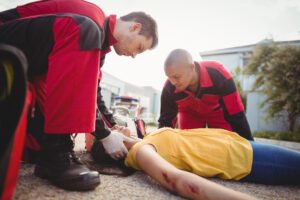
Mistake #1: Not Starting at All
The number one mistake is hesitation. People freeze because they’re afraid of “doing it wrong” or hurting the person. But here’s the thing: if their heart has stopped, you can’t make it worse. Doing something is almost always better than doing nothing.
How to Avoid It: Take First aid and CPR training so your muscle memory kicks in when panic strikes. The more you’ve practiced, the less you’ll hesitate.
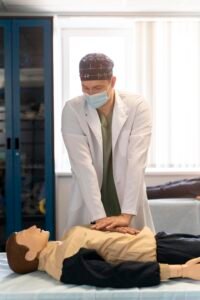
Mistake #2: Pushing Too Softly (or Too Shallow)
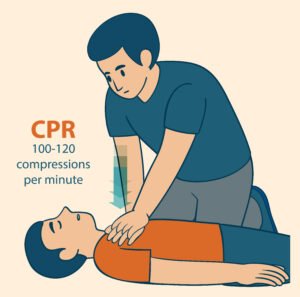
In an emergency, gentle doesn’t cut it. To keep oxygen flowing, you need to press about 2 inches deep for adults. Too shallow, and you’re barely moving blood.
How to Avoid It: Use your body weight, not just your arms. Position your shoulders directly over your hands, lock your elbows, and push hard, yes, even if it feels a little intense.
Mistake #3: Not Letting the Chest Recoil
This one’s sneaky because you might not realize you’re doing it. Between each compression, the chest needs to fully rise so the heart can refill with blood. If you lean on the chest, you’re robbing it of that refill.
How to Avoid It: After each push, let your hands stay in place but take your weight off the chest. Think “push, release, push, release.”
Mistake #4: Stopping Too Soon
CPR is exhausting, physically and mentally. But stopping after a minute or two because you’re tired can cut survival chances dramatically.
How to Avoid It: Keep going until help arrives, or use an AED if available. If you’ve searched for AED kits near me and know where they are, you’ll have a faster shot at reviving the heart. Switch with another trained person every two minutes if you can.
Mistake #5: Forgetting About AEDs Entirely
Many people still think AEDs are complicated. They’re not. Modern devices literally walk you through the process out loud. Skipping the AED means missing the chance to restart the heart’s rhythm.
How to Avoid it: Combine compressions with AED use for the best outcome. Look for public spaces offering Free CPR and AED service demonstrations, it’s the best way to get comfortable with the process.
Why This Matters
CPR works because it buys the brain and heart more time. A 2023 Circulation study confirmed that immediate bystander CPR, paired with quick AED use, can more than triple survival odds. And the good news? This isn’t just for healthcare workers. Anyone – a parent, coworker, stranger, can learn and deliver life-saving care with proper CPR training and regular refreshers.
At Stress Free CPR, our CPR services are built to give you that confidence in a relaxed, hands-on environment. Because emergencies are stressful enough, the learning part shouldn’t be.
Action before Perfection
CPR is one of those rare skills you hope you’ll never use but will never regret learning. The mistakes above? Totally preventable. The fixes? Simple. It’s about learning the right techniques, practicing them, and not letting fear take over when it matters most.
So here’s your action step: take a class, find your nearest AED, and keep those skills fresh. Because the day you need them you’ll be ready. And someone, somewhere, will be grateful you didn’t wait for perfection, you just acted at the right time.